




Preserving and elevating the Texas coastal ecosystem to its highest natural function and splendor—for the benefit of Texans and visitors today and for generations to come
Follow Us
Ensure a vibrant, healthy and resilient coastal ecosystem by advancing sustainable oyster reefs and the habitats they support
Coastal Preservation and Restoration is a nonprofit organization that was formed in 2025 to help ensure a vibrant, healthy, and resilient coastal ecosystem by advancing sustainable oyster reefs and the habitats they support.

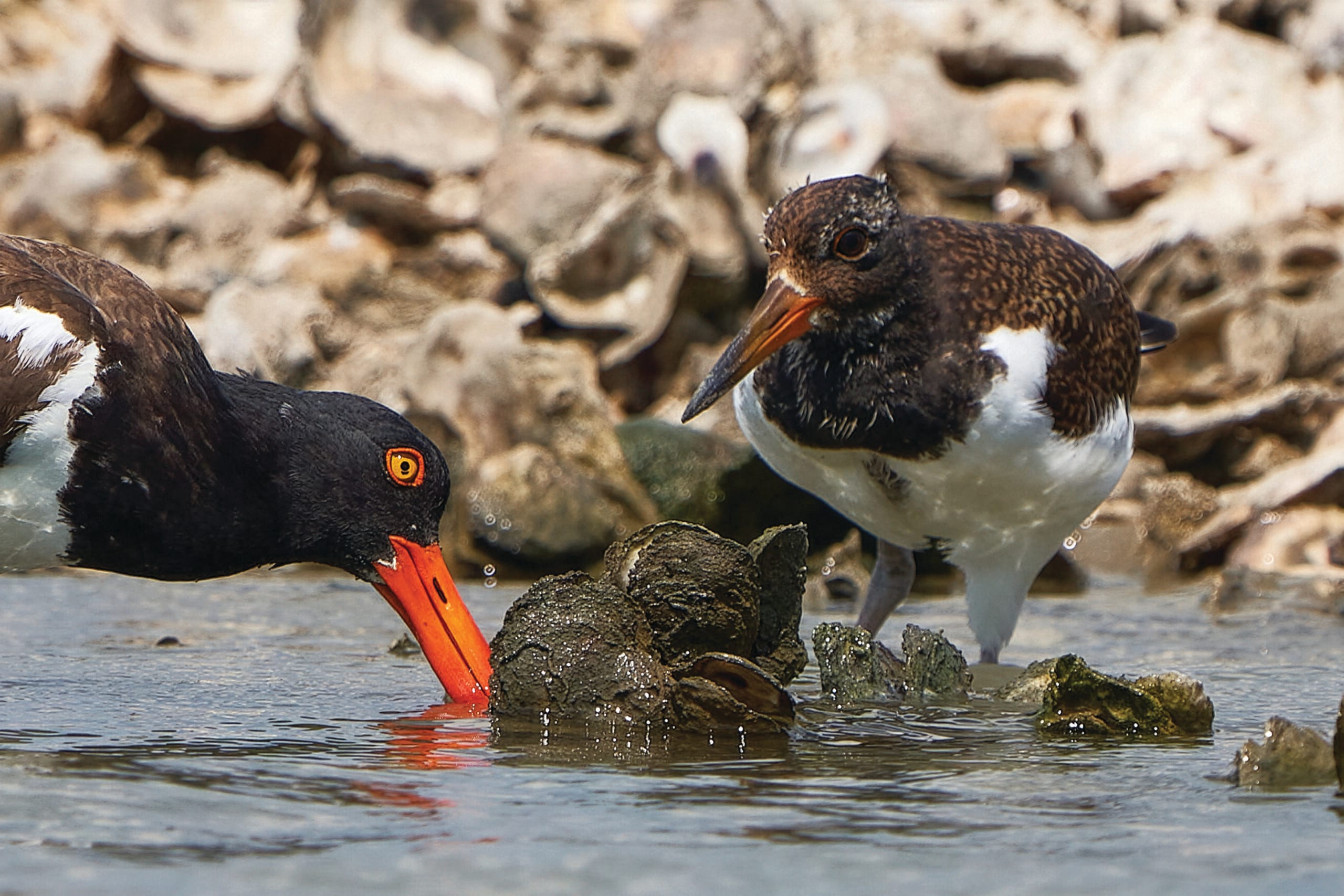
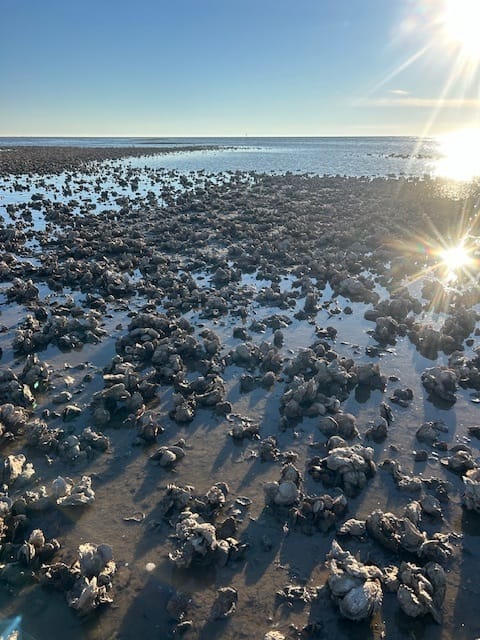
Photo by Hank Arnold
Our Core Focus
Educate and Activate
Garner media attention for oyster reef restoration, engage civic leaders in educational sessions, deliver tours of bay systems, and form partnerships with coastal restoration organizations
Increase Protections
Investing in the future of Texas bays.
Scale and Accelerate Reef Restorations in Texas
Photo top by CPR, photo left by Galveston Bay Foundation, & photo right by Freese and Nichols, Courtesy of Hasty and Sis Johnson and Matagorda Bay Foundation
Founded in 2025, Coastal Preservation & Restoration (CPR) exists to elevate Texas coastal bays and estuaries to their highest natural function for the benefit of Texans and visitors today and tomorrow. By aligning high-impact and high-return restoration, responsible oyster harvest, existing science and industry knowledge, and new private investment, CPR seeks to catalyze and accelerate restoration at the scale Texas requires. We offer donors a credible path to help restore the reefs that protect the ecosystem, support communities, and carry forward a working coastal heritage.
Why? Oyster reefs are foundational to Texas coastal habitats and ecosystems. They filter water, support fisheries, build habitat, buffer shorelines, and strengthen the living infrastructure of the coast. As pressures accelerate, CPR works to protect and restore this essential resource before further loss becomes harder to reverse.
The Challenge
The crisis facing Texas oyster reefs is not always visible from the shoreline. A bay can still look wide, open, and beautiful while the living structure beneath the surface is failing in ways most people never see. That hidden decline is what makes the moment so critical for all of us — business and civic leaders, local citizens, outdoor sportsmen and women, vacationing families, conservation-minded Texans, and donors alike.
Some Texas oyster reefs have been carbon dated to 2500 BC. The vertical structure of these reefs has enabled them to survive adverse climatic events, biological disease, and other catastrophes across millennia. Once flattened from overharvest, the oyster reefs can become buried; they subsequently die and can no longer reproduce, filter water, or support the complex marine life that depends on them. While this is not a single-cause problem, it is overharvesting that has destroyed reef structure, leaving them vulnerable to hurricanes and sedimentation. When these pressures compound, reefs cannot rebuild fast enough on their own. Texas still has a chance to act, but that window is narrowing.
It’s Time in Texas
Texas has a rare opportunity to restore oyster reefs while the biology is still on our side. Oyster larvae still exist in the bays. Good organizations are doing good work. The science exists. Restoration methods are proven. Industry knowledge is available and ready to be applied. The window has not closed, but it is narrowing.
However, missing are a broad-based understanding that Texas oyster reefs are in decline; that this critical situation is still reversible at this point in time; and that scale and speed are required. Most restoration funding in Texas has come from government sources thus far. There is an opportunity, and an urgent need, for private philanthropy to catalyze and energize large-scale strategic restoration. CPR is also working with public, nonprofit, and academic partners to identify new, larger-scale, high-return opportunities across the Texas Gulf coast for restoration. This public-private partnership reflects a long-term coordinated commitment to place, people, wildlife, working water, and the generations that follow.
Texas Facts
By 2024, the Texas oyster harvest had declined by more than 50% from its peak in 2000 due to the net loss of oyster reefs in Texas bays. Texas fell from the second-largest supplier of oysters to fourth nationwide.
2022-23 season almost all Texas public oyster reefs were closed
64% of the Texas coast is eroding
235 acres of Texas shoreline are lost on average each year
A Partnership and Investment in Recovery
Few investments can deliver as many connected benefits as oyster reef
restoration. A restored reef improves water quality, creates habitat, supports
fisheries, helps protect shorelines, strengthens coastal identity,
and contributes to the resilience of working bays and coastal communities
over time.
Oyster reef restoration in Texas is still viable because the biology, science,
and expertise are already in place. Oyster larvae still exist in the bays.
Restoration methods are proven, with public awareness growing and
industry knowledge ready to be applied.
The tools for strategic restoration are improving across Texas bays.
What is missing are scale, speed, and a long-term coordinated commitment
to place, people, wildlife, working water, local communities,
and the generations that follow.
Texas has a unique opportunity to chart the future of our coastal
bays. CPR seeks to bolster work underway and deliver new projects
with public and private partners across Texas. We bring singular focus,
a state-wide strategy and portfolio, and new participants. Texas comes
together at the coast. Let’s come together and build a legacy.
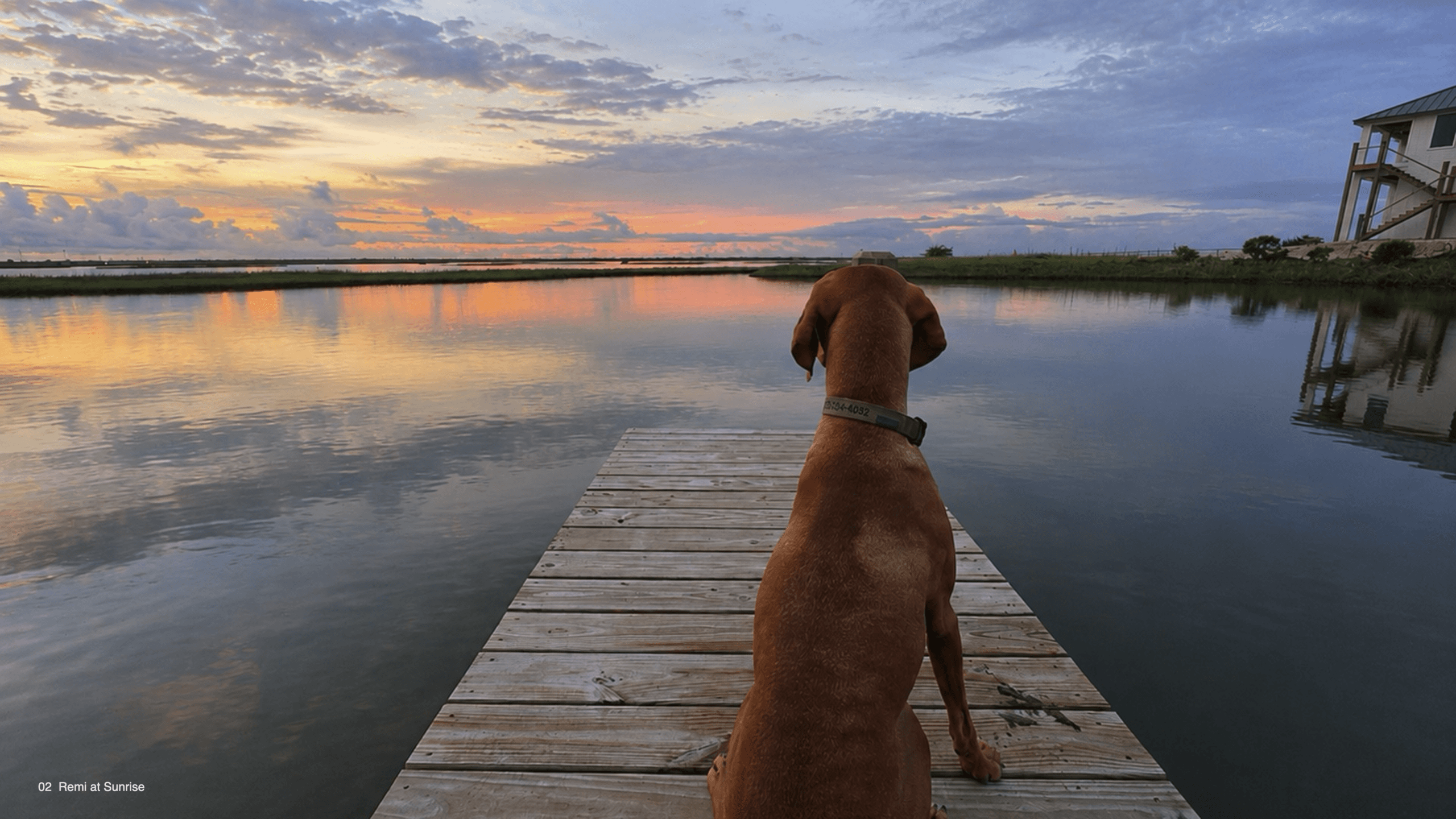
Photo by Keith Miears
Early Impact
37,000,000 Impressions
Educate and activate - secured placement of 26 major news stories that include front page news features in Houston, Austin, San Antonio, and coastal cities. Engaged 300+ civic leaders in information and educational session, formed partnerships with coastal restoration organizations.
Increase Reef Protections
Assisted with the redesign and launch of the Texas Parks and Wildlife Department’s (TPWD’s) oyster license buyback program as part of TPWD’s Oyster Advisory Committee. Previously dormant for years, this program yielded the repurchase and retirement of over 20% of the outstanding oyster licenses in 2025


Scale and Accelerate Reef Restorations
Scale and accelerate reef restoration by identifying potential projects across the bay system. Pledged $500k to support construction and delivery of the 70-acre, $3 million Carlos Reef Phase II project in Coastal Bend with Partners. Visible results expected in 12 months.